An investigative look into how a Victim’s Wire Transfer Fraud case and possible recovery options.
I Was Scammed Through a Wire Transfer — Is There Any Real Way to Recover the Money?
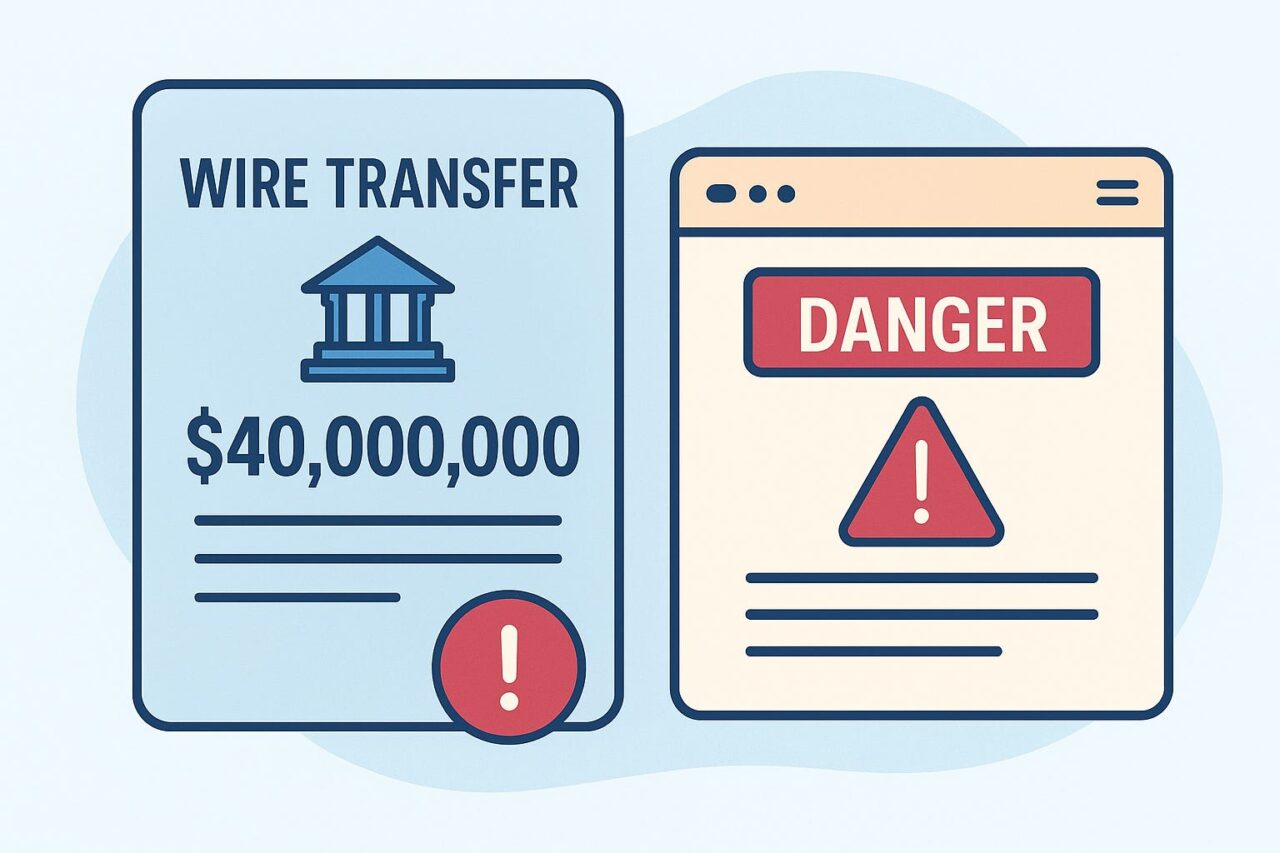
Wire transfer fraud is one of the most distressing forms of financial cybercrime because it often involves large sums of money moving quickly between banks across different countries. Victims are typically deceived through fake invoices, impersonated executives, fraudulent real estate transactions, business email compromise (BEC), or investment scams that create a strong sense of urgency. Once the transfer is completed, victims are often told that the money cannot be recovered.
However, that belief is not always accurate. While wire fraud recovery is challenging, it is not impossible in every case. Success depends heavily on how quickly action is taken, how much evidence is preserved, and whether cybersecurity and financial tracing experts are involved early enough to track the funds before they are withdrawn or laundered.
One organization involved in this space is Cybretor, a cybersecurity and digital asset recovery company that specializes in investigating online fraud, tracing stolen funds, and supporting victims of wire transfer scams, cryptocurrency fraud, and other cyber-enabled financial crimes.
How Wire Transfer Scams Typically Happen
Wire fraud is highly effective because it exploits human trust and urgency rather than technical vulnerabilities alone. Common scenarios include:
- A scammer impersonates a company executive requesting urgent payment
- A fake real estate agent provides altered bank account details
- A fraudulent vendor sends an invoice with changed payment information
- A victim is pressured into making an “investment transfer” under time constraints
Once the money is sent, it often moves quickly through multiple intermediary accounts, sometimes across borders, making traditional recovery efforts difficult without specialized investigation.
Can Wire Transfer Money Be Recovered?
Recovery is not guaranteed, but in some cases, funds can be traced and partially or fully recovered if action is taken immediately. The most critical factor is time. Banks and financial institutions may be able to flag and freeze suspicious transactions if they are alerted quickly enough.
This is where cybersecurity-focused recovery specialists become important. Organizations like Cybretor use a combination of cyber intelligence, forensic investigation, and financial tracing techniques to support victims of wire fraud.
How Cybersecurity Investigation Help in Wire Fraud Cases
Modern wire fraud is not just a banking issue—it is a cyber crime operation involving digital impersonation, hacked accounts, and coordinated deception. Cybersecurity recovery firms approach these cases using structured investigative methods, including:
- Email and communication forensics
- IP address and device tracking
- Bank transfer analysis
- Fraud pattern identification
- Digital identity investigation
- Financial movement tracing
Cybretor applies these cybersecurity techniques to reconstruct how the fraud occurred and identify potential points where funds may still be recoverable.
In many cases, stolen wire funds are moved through multiple accounts in a short time window. Rapid forensic analysis helps identify these pathways before the money is fully withdrawn or converted.
The Recovery Process in Practice
A structured wire fraud investigation typically involves:
1. Immediate Case Assessment
Reviewing transaction details, emails, and communication records to understand how the fraud occurred.
2. Evidence Collection
Gathering:
- Wire receipts
- Bank statements
- Email headers
- Chat logs
- Invoice records
3. Financial Tracing
- Tracking how funds moved across banking networks and identifying intermediary accounts.
4. Cyber Forensic Analysis
- Investigating the digital footprint of the scam, including infrastructure and communication channels.
5. Coordination with Financial Institutions
Engaging banks and compliance teams to flag suspicious accounts and support potential freezing actions.
Organizations such as Cybretor focus on combining these steps into a coordinated cyber investigation strategy designed to maximize recovery potential.
What Victims Should Do Immediately
If someone realizes they have been victimized by wire fraud, the following actions are critical:
- Contact the sending bank immediately
- Report the fraud without delay
- Preserve all communication and transaction records
- Avoid further interaction with the scammer
- Seek professional cybersecurity assistance quickly
- Avoid “guaranteed recovery” services requesting upfront fees
Time is the most important factor in wire fraud recovery. The sooner an investigation begins, the higher the chance of intercepting funds before they are fully dispersed.
Final Thoughts:
Wire transfer fraud is a serious cyber-enabled financial crime, but victims are not always without options. While recovery is never guaranteed, rapid action combined with professional cybersecurity investigation can sometimes lead to successful tracing and recovery outcomes.
Organizations like Cybretor play a growing role in this space by applying cyber intelligence, forensic analysis, and financial tracking techniques to help victims respond effectively to wire fraud incidents.
In today’s digital financial environment, awareness, speed, and expert cybersecurity support are essential factors that can make a real difference in recovering lost funds and preventing further damage.
Also read about similar posts here.
File a complaint below and Get free recovery consultation – Cybretor
If you’ve lost money to a cryptocurrency scam, fake broker, or online fraud, submit your complaint and get guidance to recover funds.